Spatial Politics
Topic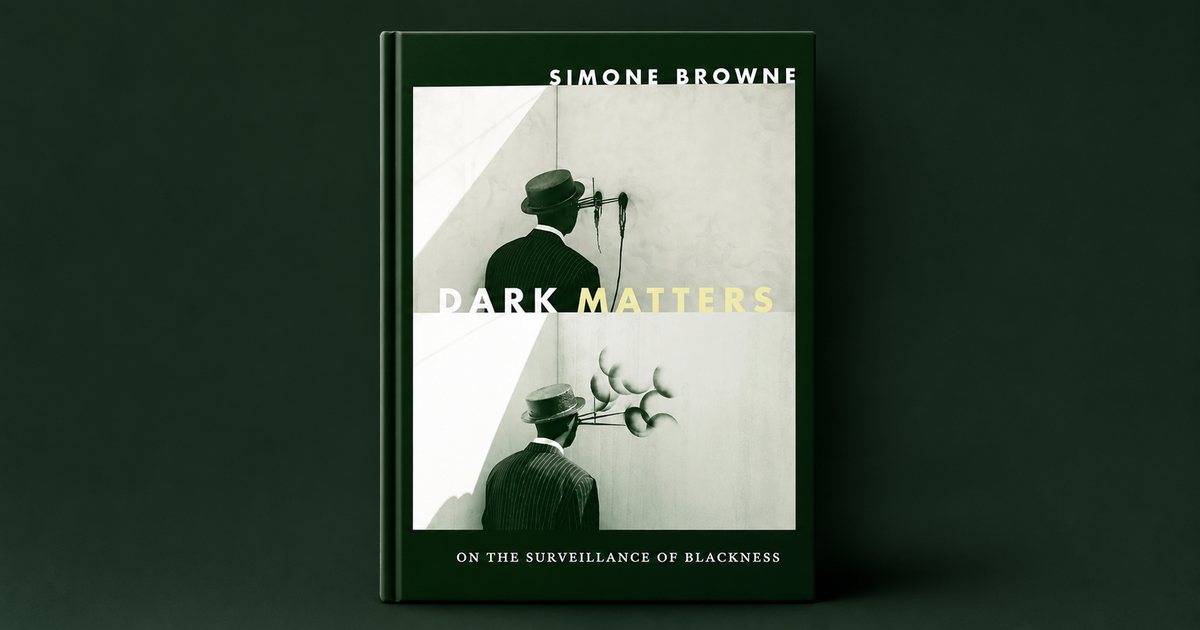 Reflections on Simone Browne’s "Dark Matters: On the Surveillance of Blackness"
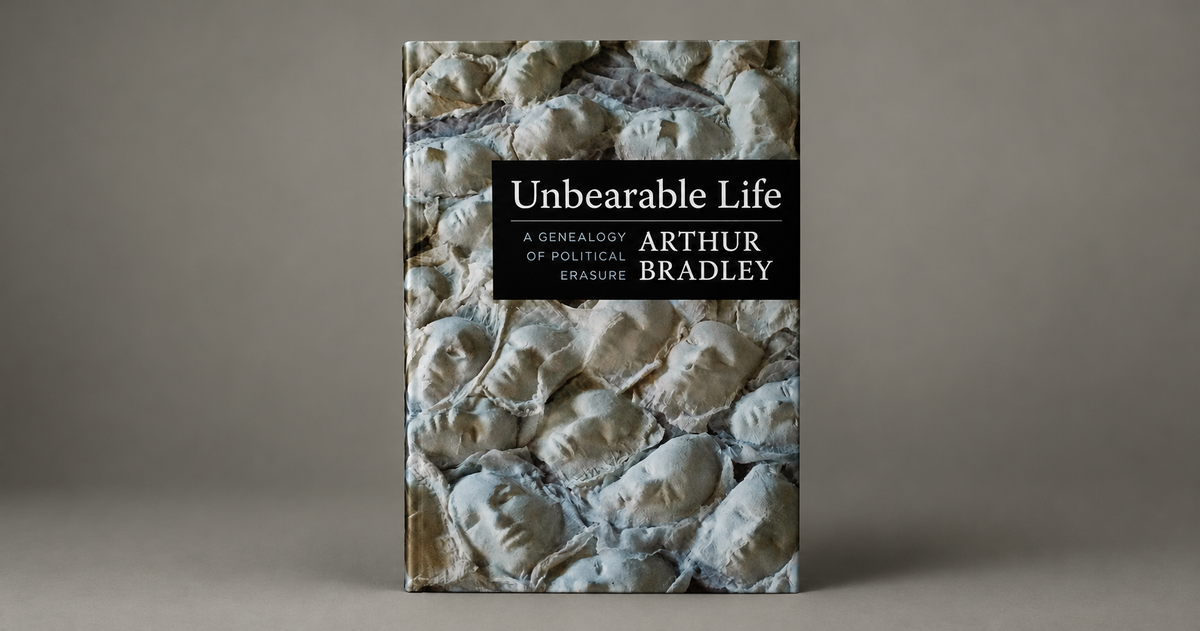 Unbearable Life: A Genealogy of Political Erasure
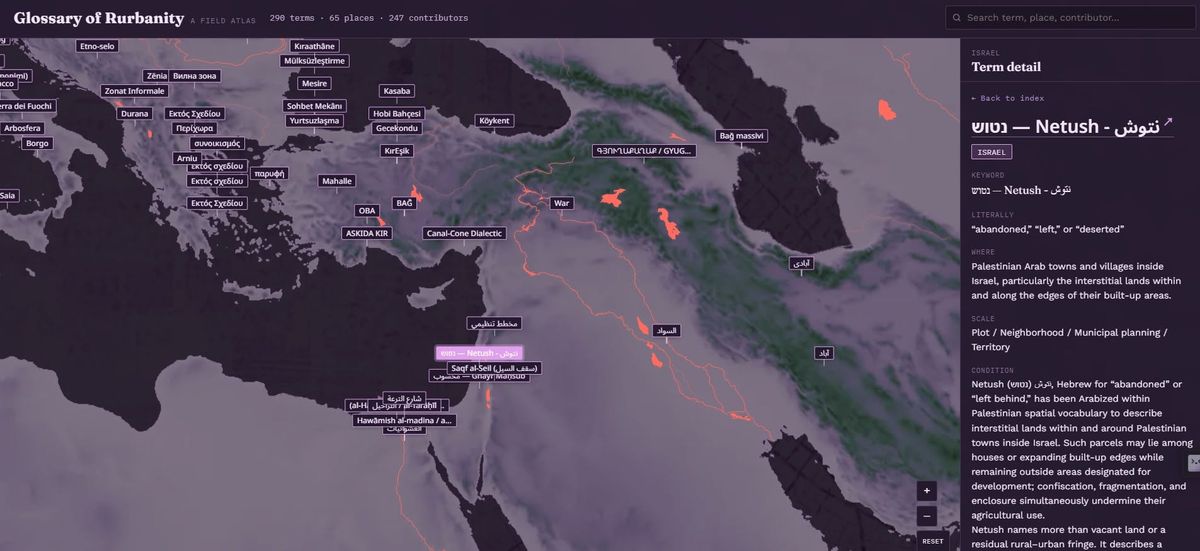 Launch of the Preliminary Glossary of Rurbanity and a Contribution on “Netush” in Occupied PalestineAn introduction to the Glossary of Rurbanity, a collective research project rethinking the boundaries between rural and urban spaces, featuring a contribution on “Netush,” a locally rooted term that sheds light on land and settler colonialism in occupied Palestine.
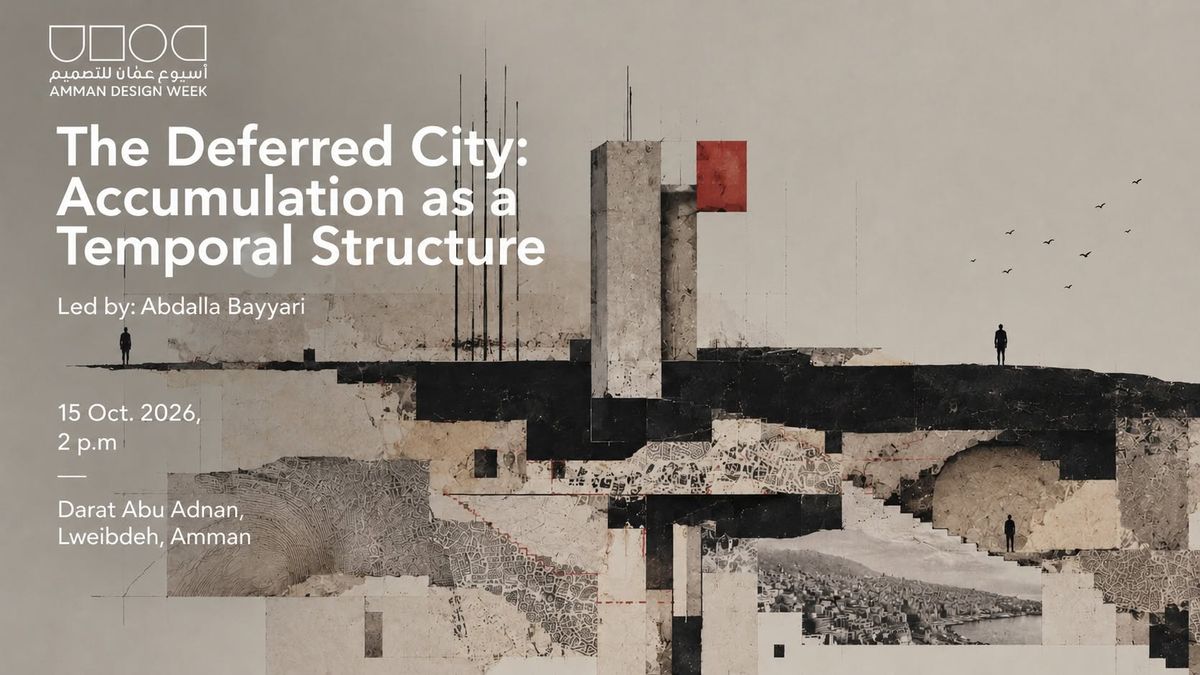 The Deferred City: Accumulation as a Temporal StructureWhat if accumulation is not what a city leaves behind, but what it holds for the future?
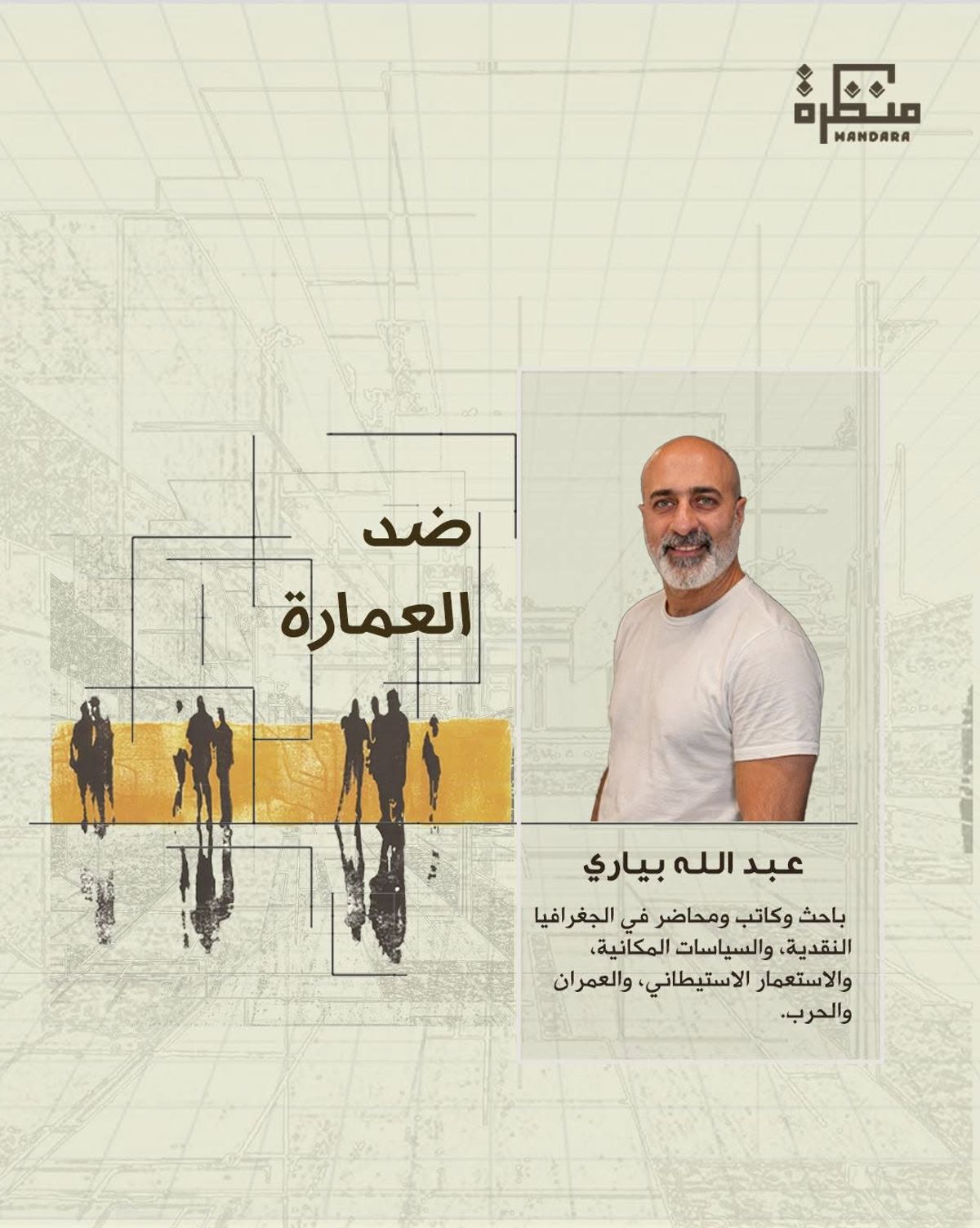 Against Architecture: Architecture as a Tool of Power, Erasure, and ResistanceA critical, hands-on workshop exploring how architecture becomes an instrument of power, colonialism, erasure, and resistance, examining the politics of space through the lenses of capitalism, war, and the built environment.
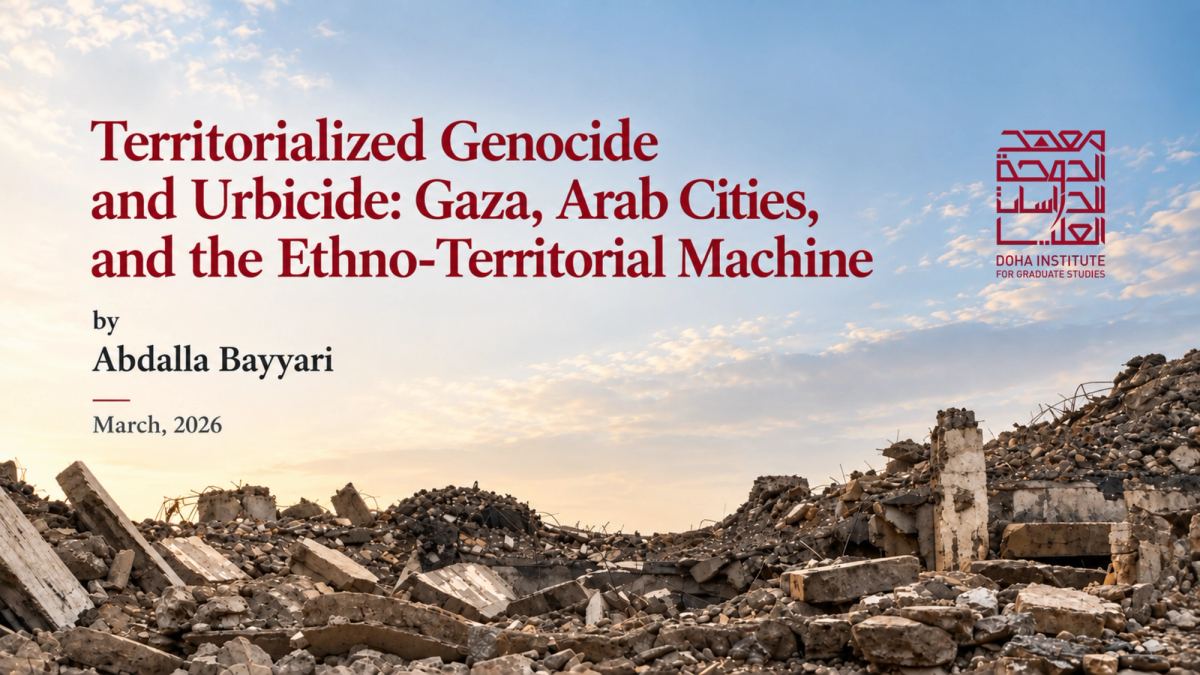 Territorialized Genocide and Urbicide: Gaza, Arab Cities, and the Ethno-Territorial MachineA workshop titled “Territorialized Genocide and Urbicide: Gaza, Arab Cities, and the Ethno-Territorial Machine,” at Doha Institute for Graduate Studies in March 2026.
 FROM THE SKY TO THE UNDERGROUND: Colonial Spatial Warfare and Palestinian Counter-GeographiesThis lecture examines Gaza as a paradigmatic site of contemporary colonial spatial warfare, arguing that Israeli settler colonial violence operates not merely through military occupation or episodic destruction, but through the volumetric reorganization of territory itself. The talk introduces the concept of "territorialized genocide" to describe a mode of elimination enacted through the production, fragmentation, regulation, and destruction of space. Drawing on critical geography, settler colonial studies, urban theory, and Black geographies, the lecture theorizes Gaza as a volumetric battlefield structured across three interconnected spatial registers: the militarized sky, the fragmented urban surface, and the politicized underground.
 How were our Arab cities crushed? From the Arab Spring to the extermination in GazaWhat makes a city more than just its built environment? How do bridges and public squares transform into a political language in certain nations?
 Timely Reflections on Spatial JusticeA reflection on Timely Reflections on Spatial Justice, edited by Rana Abu Ghannam, featuring the chapter “On Borders,” which rethinks borders through a decolonial dialogue between Western and Islamic philosophical traditions, exploring their entanglement with power, knowledge, belonging, and resistance.
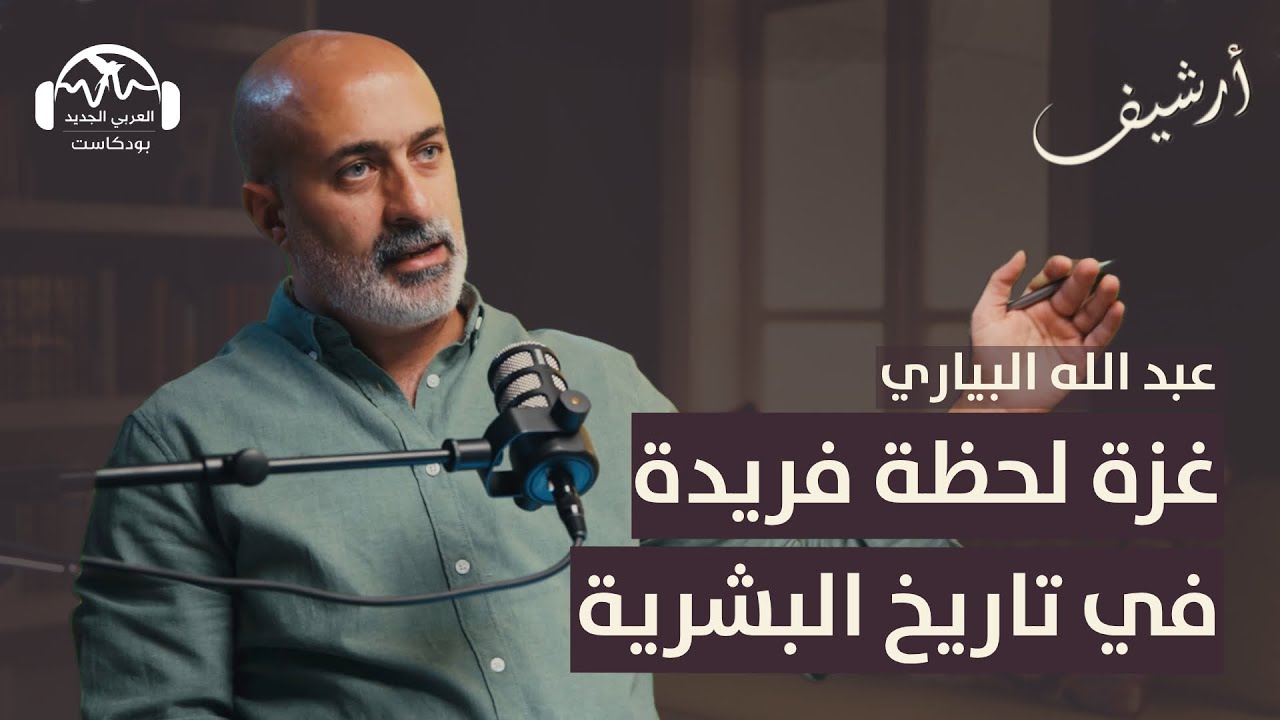 Why Can’t We Wander Freely in Our Arab Cities?In this episode of Archive with Maram Masarwa, Alaraby Aljadeed Podcast hosts researcher Abdalla Bayyari for an in-depth conversation about the city and urbanity in Arab and Palestinian contexts.
 Towards Contestation Through Movement and Substance Against Colonial Spatial-Geographic HegemonyThis paper examines Land and Territory as tools that formed primitive mechanisms for later technologies of self-discipline and taming of movement.
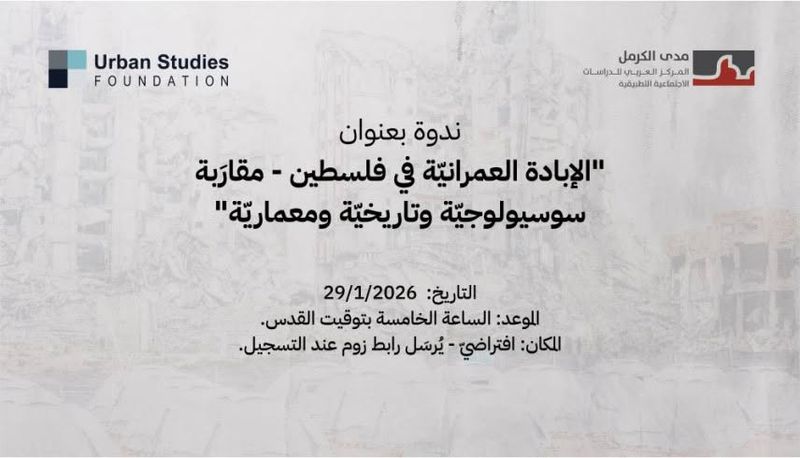 Suspended Urbanism in Settler Colonialism: Planning as UrbicideThis lecture examines "urbicide" not only as physical destruction but as a systematic colonial strategy enacted through urban planning and structural exclusion. Drawing on case studies from Gaza, Jaffa, and the West Bank, the discussion conceptualizes the "suspended city"—a space where modernity, accumulation, mobility, and sovereignty are actively obstructed. The talk engages decolonial urban theory to interrogate spatial violence and to imagine counter-urban narratives and agencies.
Loading…